
Sewage Backup Cleanup in Austell, GA
Gray water rising in a tub, a toilet that pushes back, a floor drain that gurgles and spills: sewage inside a house in Austell, Mableton or Clarkdale puts health ahead of cleanup. Call (678) 737-4866 and describe where it surfaced, how far it spread and whether anyone has touched it.
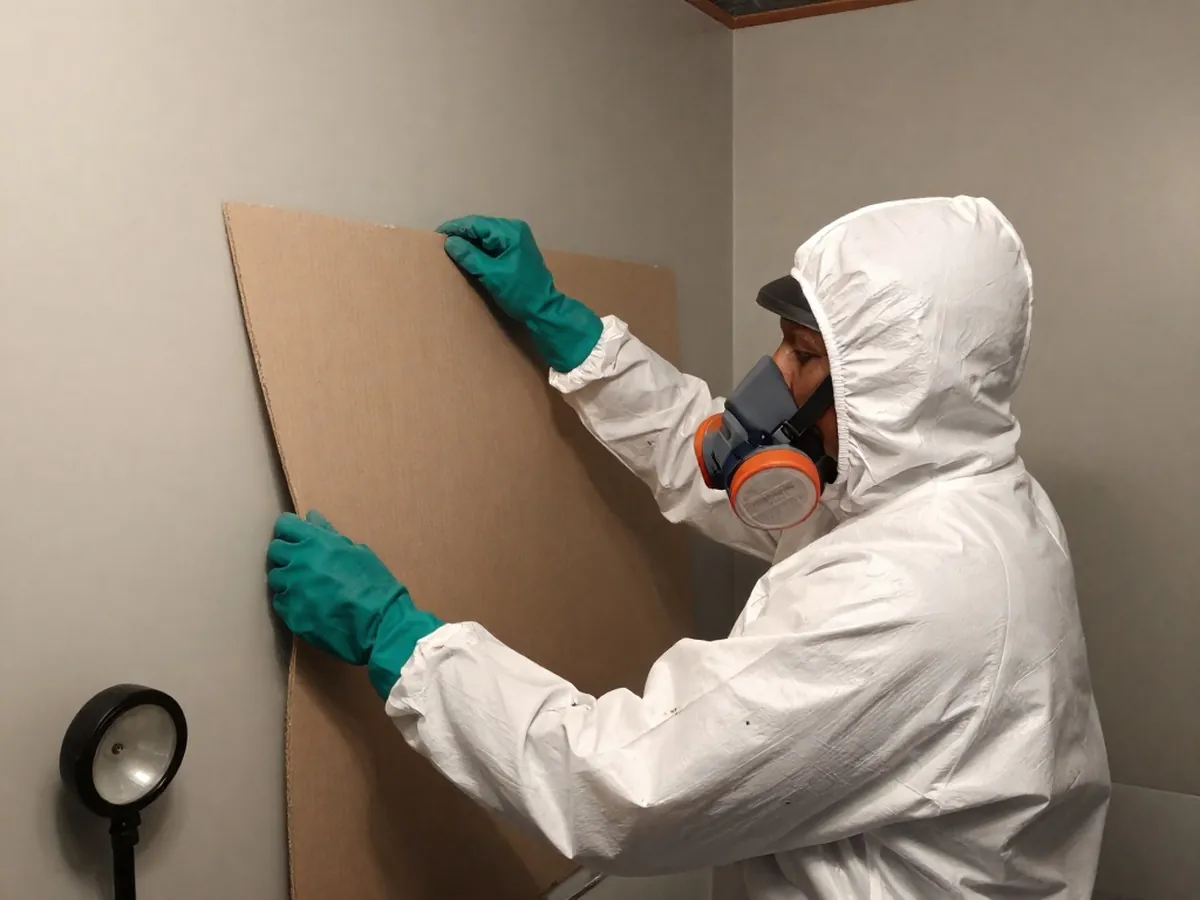
A backed-up drain or toilet in an Austell home
- Dirty water or waste welling up around a tub, shower or floor drain
- A toilet that gurgles and then sends water the wrong way
- Several drains slowing down at once
- A sewer smell that grows stronger in one room
- Wet carpet or drywall near a basement bathroom or laundry drain
Moves that backfire
Four mistakes that spread a sewage backup
- 01
Flushing again to see whether it clears. Every fixture sends more water into the same blocked line.
- 02
Tracking it into clean rooms. The CDC advises staying out of the water and washing clothes that touched it in hot water and detergent.
- 03
Keeping the food that sat on the floor. The CDC's rule is when in doubt, throw it out.
- 04
Letting children or pets wander through. Per the CDC, floodwater areas are off limits for children, and so are toys that were contaminated and never disinfected.
Where it tends to start
- A blockage in the house line that sends water back up
- A blockage in the street sewer that backs into low drains
- Heavy rain overwhelming a sewer or the soil around a line
- Roots or a collapsed section of pipe
- Grease, wipes or other debris packed into the line
Back away and get help if
- Do not wade in or touch it; the water can carry germs. Children and pets stay out, and any skin contact calls for soap and clean water afterward.
- Outlets, cords or the panel with sewage water around them: stay out, and phone 911 or the electric company.
- A gas odor, or a gas appliance in the wet area: go outdoors and phone the gas company or 911.
- A wall or ceiling swelling with water: stay well clear of it. If it starts to give way, the call to make is 911.
How a job tends to run
From the backup to a cleared room
- At the start
Water use stops, people and pets stay out, and the spread is photographed from the doorway.
- The cause
A plumber or the utility clears the blockage, depending on whose line it is.
- Removal
Contaminated drywall, rugs and other porous material come out; the CDC lists what cannot be disinfected.
- Cleaning
Hard surfaces are washed with soap and water, then disinfected.
- Drying
Fans and dehumidifiers run until readings fall; the EPA says drying after flooding usually takes several days to weeks.
Questions for the contractor
Five questions for a job involving sewage
- What protective gear will the crew wear, and where does it go afterward?
- Which materials come out, and how are they carried away?
- How are hard surfaces washed and then disinfected?
- Who clears the line, and who confirms it is clear?
- How will the contractor show that the room is dry afterward?
Looks from dry ground
These are looks and sniffs from dry ground. Anything calling for a ladder, a tool or a step onto a wet floor belongs to the contractor.
- Stop using water. No flushing, laundry or dishwasher cycles until the cause is known.
- Keep children and pets out of the affected rooms, and shut the door.
- Photograph the spread from the doorway, and write down when it started and which fixtures were involved.
- Note which drains are affected. One fixture points to the house line; every drain at once, or a backup in the street, points to the sewer main.
What changes the size of the job
What stretches a sewage cleanup
- How far it spread.
- A bathroom floor and a whole finished level are different jobs.
- What it soaked.
- Carpet, pad and drywall come out; tile can be cleaned.
- How long it sat.
- The EPA says materials left wet more than 24 hours can grow mold.
- Whose line was blocked.
- Clearing a house line and clearing the street sewer are separate calls to separate offices.
Local lines to know
- Cobb Water's dispatch line for emergencies is 770-419-6201, meant for a sewer backup in a house or the street. The county reserves it for those and for gushing or severe water-line leaks, and Mableton customers are on that system.
- Austell's utility billing page tells a customer with a sewer blockage to reach a plumber first. If the city comes out and finds the blockage in the customer's own line, a service charge applies. The emergency number for water and sewer is 404-387-7898.
- Austell collects wastewater and sends it to the county system for treatment at the South Cobb Water Treatment Plant, according to the city's water page. Wikipedia records that a heavy flood in 1916 overwhelmed Mableton's sewer system and that the town's charter was revoked soon after.
Straight answers
How urgent is a sewage backup? Rate it 1 to 10.
Eight to ten as soon as sewage reaches living space, outlets or a gas appliance, or children and pets are close: move everyone away, and bring in 911 or the utility if power or gas is in play. Five to seven for a drain that backed up once and then stopped. One to three for a slow drain that never overflowed.
Who do I call first, a plumber or the utility?
It depends on the town. Austell's billing page says to contact a plumber first for a sewer blockage, while Cobb Water's dispatch line takes sewer backups in a home or the street. Call (678) 737-4866 as well, and the contractor can talk through the cleanup side.
What can be kept after sewage reaches it?
Anything that cannot be disinfected goes, per the CDC, and its list names wall coverings, cloth, rugs and drywall. Hard surfaces get soap and water first and a disinfectant after. Food the water reached goes in the trash too; the CDC's rule is when in doubt, throw it out.
Is this a job for the homeowner?
When sewage or other contaminated water is behind the damage, the EPA wants the person hired to have experience with that kind of job. The CDC's minimum kit for cleanup is rubber boots and plastic gloves, and it names staying out of the water as the strongest protection.
Does a Mableton or Clarkdale backup use the same call?
Yes. Mableton's page and Clarkdale's page each name their sewer contacts. Call (678) 737-4866, say which town you are in, and describe the fixtures that backed up.
Keep the street address, the wet room and a few phone photos close by. Then call (678) 737-4866 and describe where the water came from and what it touched. Tenants, tell the owner or manager as well.
Call (678) 737-4866A word on paperwork
Wastewater and the paperwork behind it
Who clears a blockage, and which office to ask about the repair, differs by town. The paperwork page lists the desks for Austell, Mableton and unincorporated Cobb.