Skip to the page
Ready AustellWater Damage RestorationCall (678) 737-4866

Georgia, Cobb County and three city desks

Before work begins on a wet house in Austell, Mableton or Clarkdale

A short rundown of what Georgia and the local offices say on their own pages about hiring, repair paperwork and records, and what those pages leave out.

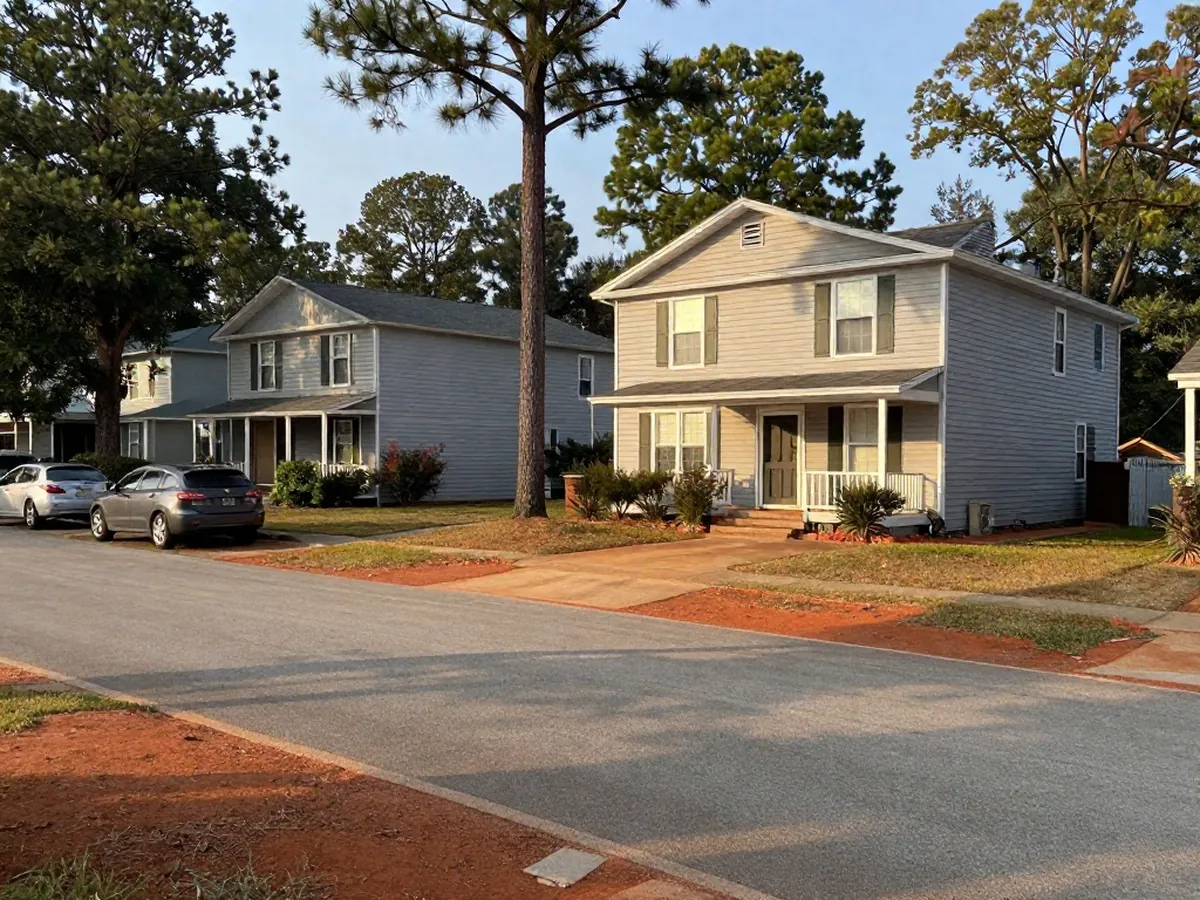
Austell street of two-story vinyl-sided homes under tall pines

Four offices in one table

PlaceDeskPhoneAddressWhat the page says
AustellPermits, Community Affairs(770) 944-43095000 Austell-Powder Springs Rd, Suite 141, Austell, GA 30106Building, electrical, mechanical and plumbing permits; water damage repairs and drywall not mentioned; hours not listed
MabletonBuilding and Permitting Division404-854-4904Suite 144, 6116 Mableton Parkway, Mableton, Georgia 30126Permit for structural, electrical, plumbing and mechanical work; cosmetic work without plumbing changes needs none; online portal only; 8:30 to 5
Clarkdale, if countyCobb Building Division(770) 528-20601150 Powder Springs St, Suite 400, Marietta, GA 30064Digital Plan Room for permitting; main line (770) 528-2125; page silent on residential repair triggers; weekdays 8 to 5
GeorgiaSecretary of State, license lookupNone listed on the pageverify.sos.ga.govSearch by any field; meant for one person at a time
01

What the state's contractor page covers, and what it skips

On the Secretary of State's page for residential and general contractors, a license is required of contractors, defined as people who, for pay, perform or manage construction for an owner, subject to listed exceptions. Four license types are named: Residential-Basic, Residential-Light Commercial, General Contractor and General Contractor Limited Tier. The page adds that some specialty trades are outside the requirement, and so is work costing less than $2,500.

No Georgia page opened for this site says that water damage restoration, drying or mold work carries a state license of its own, and none says such work is exempt. Which license, if any, applies to a particular job is a question for the contractor and for the Secretary of State.

02

What an unlicensed contract can and cannot do

Georgia law, as Justia reproduces the 2025 Code (section 43-41-17), bars a person from engaging in residential or commercial general contracting without the applicable license, and a contract with an unlicensed contractor cannot be enforced by that contractor. The same section lets someone do repair work for an owner without a license if the owner is told the worker is unlicensed and the work does not affect the structure's integrity. Justia notes its copy may not be the most current version.

03

Trades the attorney general names after storms

The attorney general's storm-and-fraud page tells owners to verify general contractors, electricians, plumbers and HVAC contractors through the Secretary of State's website. It lists handymen, painters, drywall contractors, tree removal services and roofers among trades that need no state license. For a wet house that can mean one job with several trades: a plumber for the pipe, an electrician for the wiring, and a restoration contractor for the drying.

04

Contracts, deposits and door knockers

The same page advises getting a written contract for the work, with start and completion dates and with anything promised about the work set down in writing. Paying for the entire project before work begins is something it says never to do. It suggests putting no more than one-third down, with later payments tied to completed work, and it advises skipping door-to-door offers in favor of referrals from friends and neighbors.

05

Checking a contractor's name

The Secretary of State's verification page searches for a professional licensee by whatever fields you fill in, and advises that less is more; an asterisk after partial text works as a wildcard. The page says it is meant for verifying individuals one at a time. It shows no phone number, so none is given here.

06

Mold work has no state yardstick

Georgia's public health department reports that neither the state nor the federal government enforces standards for mold inspection, testing or remediation. The EPA runs no certification program and keeps no list of flood-cleanup contractors; it suggests asking about qualifications, training and experience, and checking references. It names several professional associations a contractor might belong to, and notes that some states and organizations set requirements of their own.

07

Austell's permit desk

Austell's Permits page says building permits are required to erect, enlarge, alter, remove, demolish or repair a structure, with separate electrical, mechanical and plumbing permits. The plumbing permit covers installing, removing, altering or replacing plumbing, gas or drain piping, fixtures or water heating equipment. The page does not mention water damage repairs or drywall, and it lists no hours.

The desk is at 5000 Austell-Powder Springs Road, Suite 141, phone (770) 944-4309, and applications are filed on the city's online portal. Its business license page covers privilege licenses and fees by employee count and does not mention contractors by name.

08

Austell's fifty percent line

Austell's floodplain pages define substantial damage as damage whose repair would cost 50 percent or more of the structure's market value before the damage, and substantial improvement as cumulative improvements reaching the same share. The pages do not say which permits or reviews follow. The general line, (770) 944-4300, is the only contact the pages give for it.

09

Mableton's permitting division

Mableton's page says a permit is needed for work that changes the structure or touches electrical, plumbing or mechanical systems, while cosmetic work such as painting, flooring or cabinets, with no plumbing changes, does not need one. Applications go in through the online Cloud Permit portal only; emailed ones are refused. A typical residential review runs 5 to 10 business days. The offices keep hours of 8:30 to 5 at Suite 144, 6116 Mableton Parkway, Mableton, Georgia 30126, and the phone is 404-854-4904.

Nothing on the page mentions water damage repairs, drywall or contractor license requirements. A separate city page says any business, contractors among them, needs an Occupational Tax Certificate before it starts operating.

10

Clarkdale and the county desk

Wikipedia calls Clarkdale an unincorporated community in Cobb County. If that holds for a given address, the county's offices are the ones to ask. Cobb's Community Development Agency is at 1150 Powder Springs Street, Suite 400, Marietta, GA 30064, phone (770) 528-2125, open weekdays 8 to 5. The Building Division lists (770) 528-2060 for development, inspections and scheduling, and a Digital Plan Room for permitting.

The county pages opened say nothing about when a residential repair needs a permit, do not mention water damage or drywall, and do not say which areas they cover. A phone call settles it before any assumption does.

11

Insurers and the record

Georgia's insurance commissioner suggests taking photos or video before temporary repairs and saving receipts for them. The same page cautions that an insurer may refuse a claim when permanent repairs come ahead of an inspection. The record checklist turns that into a list, and nothing on these pages predicts what an insurer will decide.

Not sure which of these desks your wall belongs to?

Call (678) 737-4866, say which town the house is in, describe the damage, and ask the contractor on the line which office and which paperwork the job touches.

Call (678) 737-4866